

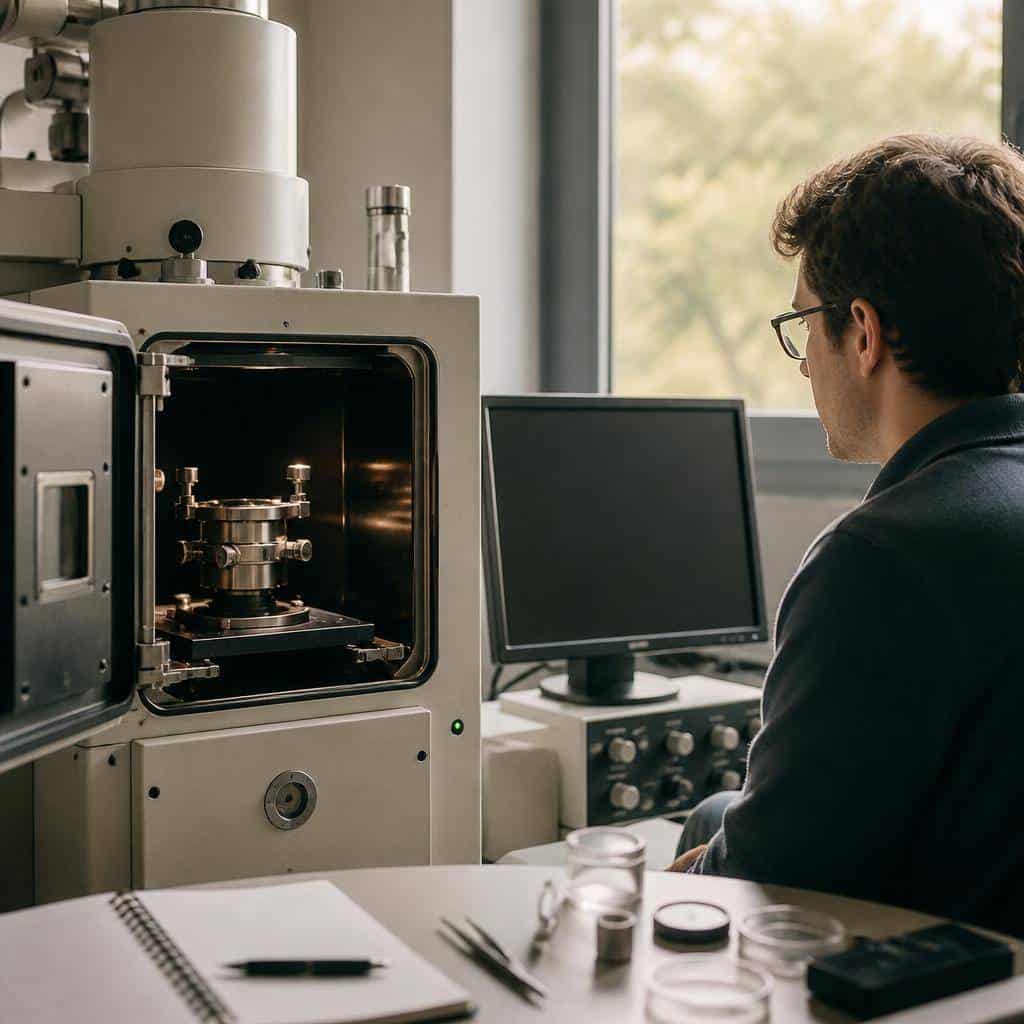
Scanning electron microscopy analysis is a powerful technique used to investigate surface structures and compositions at a micro and nanoscale. However, errors during analysis can lead to misleading or unusable data, slowing down research or production processes. Understanding the common issues that occur during scanning electron microscopy analysis and how to resolve them can save significant time and resources.
Why Are Errors Common in Electron Microscopy
The complexity of scanning electron microscopy arises from its reliance on precise electron beam control, sample preparation, and detection systems. Minor deviations or environmental factors can cause significant distortions or artifacts in the resulting images and data. Therefore, troubleshooting often focuses on the interplay between instrument settings, sample conditions, and environmental control.
Frequent Signal and Image Quality Problems
One of the most visible signs of error in scanning electron microscopy analysis is poor image quality. Common issues include blurry images, low contrast, signal noise, or distorted features. These can stem from multiple causes:
- Poor sample conductivity: Non-conductive samples accumulate charge, causing image streaking or bright spots.
- Incorrect accelerating voltage: Too high voltage can damage delicate samples, while too low voltage can reduce resolution.
- Vacuum instability: Fluctuations in the vacuum chamber impact electron beam path and scattering.
- Detector misalignment: Improperly positioned detectors fail to capture secondary or backscattered electrons efficiently.
Sample Preparation Mistakes That Affect Results
Sample preparation plays a crucial role in scanning electron microscopy analysis. Inadequate preparation often leads to charging effects, contamination, or sample damage. Key points to check include:
- Coating quality: Samples requiring conductive coating need uniform metal layer application to prevent charging.
- Sample cleanliness: Residual oils, dust, or moisture can interfere with electron interaction.
- Sample mounting: Secure and proper mounting avoids movement or vibration during scanning.
Instrument Calibration and Maintenance Issues
Errors can also originate from the microscope hardware and software. Performing routine calibration and maintenance is essential to keep performance at its peak. Common checks involve:
- Beam alignment: Ensuring the electron beam is centered and focused on the sample.
- Detector functionality: Verifying detectors respond correctly to electron signals without noise.
- Software updates and settings: Correcting imaging parameters that might affect resolution and contrast.
Environmental Factors Impacting Analysis
External conditions can affect scanning electron microscopy analysis results. Factors such as vibrations, temperature fluctuations, and electromagnetic interference often cause image distortion or drifting. Minimizing these involves:
- Vibration isolation platforms: Reduce mechanical disturbances.
- Stable temperature control: Prevent thermal expansion affecting sample and instrument components.
- Shielding from electromagnetic noise: Avoid interference with electron detectors.
Accessing Reliable Troubleshooting Resources
For detailed guidance on resolving specific scanning electron microscopy analysis errors, check technical articles and manufacturer manuals. Practical tutorials provide step-by-step methods to fine-tune instrument settings, adjust sample preparation procedures, and handle complex error symptoms. Exploring comprehensive online explanations can improve problem-solving skills in real-world applications. The following example offers insights into how scanning electron microscopy operates and its practical automotive uses:
The system scanning electron microscopy analysis detailed in this resource highlights both technique fundamentals and application challenges, which includes troubleshooting common complications encountered during analysis.
Summary of Troubleshooting Strategies
Successfully overcoming issues in scanning electron microscopy analysis involves a systematic approach:
- Verify sample quality and preparation methods.
- Check instrument calibration and hardware status regularly.
- Control environmental conditions to minimize external interference.
- Adjust scanning parameters thoughtfully based on sample type.
- Consult technical documentation and community knowledge bases when facing uncommon errors.
By addressing problems arising from these sources, users maximize the reliability of their microscopic observations and analyses, ensuring that the data gathered truly reflects the sample’s characteristics.